


A recent Saturday Night Live sketch has sparked an important conversation about something millions of family caregivers know all too well: when a loved one needs care, the responsibility often falls on one person.
The sketch, titled “Sister,” features John Mulaney and Jane Wickline in a parody advertisement for a free, around-the-clock elder care service. The catch? The service is your sister.
When an aging parent needs help, she’s the one who drops everything, rearranges her life, and takes on the responsibility of caregiving.
It’s funny. It’s uncomfortable. And for many family caregivers, it feels remarkably familiar.
Watch the CBC Interview on YouTube:
Behind the humor is a serious conversation
The sketch has resonated with audiences because it brings attention to something that often goes unrecognized: the invisible work of family caregiving.
Barb MacLean, Executive Director of Family Caregivers of BC, joined CBC to discuss why the sketch has struck such a nerve.
“It’s really funny,” Barb explained, “and there’s a deeper message that is not funny at all to so many people.”
For caregivers who recognize themselves in the sketch, the reaction can be complicated.
There’s laughter, but also frustration, exhaustion, and sometimes relief at seeing their experiences acknowledged.
“You laugh, but then you say, ‘Wow, this is me,'” Barb shared.
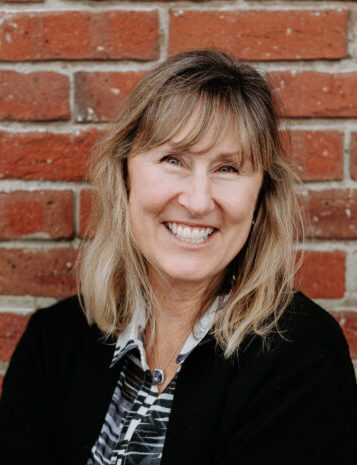
Barb also appeared on CBC’s Hanomansing Tonight to discuss the conversation surrounding the sketch.
The invisible mental load of caregiving
While family caregiving responsibilities are increasingly shared between men and women, the types of responsibilities they take on can look very different.
As Barb explained during her interview, women often carry much of the ongoing mental and emotional load of caregiving.
It’s remembering medications, scheduling appointments, coordinating with specialists, making sure there’s food in the fridge, and anticipating what might be needed next.
Unlike tasks that can be completed at a convenient time, this mental load is continuous.
It often happens alongside paid employment, parenting, and other family responsibilities.
And it doesn’t necessarily begin with a major health crisis.
Caregiving responsibilities frequently develop gradually.

A little help with groceries becomes managing appointments. Occasional check-ins become daily coordination. Before long, someone has become the primary caregiver without ever having a conversation about taking on that role.
If you’re feeling overwhelmed by these responsibilities, FCBC’s Caregiver Support Line offers a place to talk through your situation and explore available support.
Of course, caregivers of all genders make important contributions, and many brothers, sons, partners, and friends provide extraordinary care.
The larger issue isn’t about blaming one family member. It’s about recognizing the work involved and ensuring that caregiving responsibilities don’t fall on one person by default.
Making the invisible visible
One of the most important messages from Barb’s interview was that recognizing caregiving is the first step toward sharing it.
“When it becomes visible, it becomes possible to recognize that you’re in this role. Families can recognize it, and then the conversation can begin.”
That conversation can be difficult, especially when family expectations, cultural traditions, and long-established roles influence who provides care.
But it matters.
Who will coordinate appointments? Who can help with meals or transportation? Who will manage finances? Who can step in when the primary caregiver needs a break?
These are conversations families can begin having before caregiving becomes overwhelming.
Connecting with others who understand the experience can also help. FCBC offers caregiver support groups, including opportunities for people caring for aging parents and those balancing caregiving with employment.
Don’t wait for a crisis to ask for support
Too often, family caregivers reach out for help only when they’ve reached a breaking point.
Barb encouraged families to begin talking sooner.
“We would love for people to not wait for a crisis. Talk early.”
Having conversations about caregiving responsibilities, boundaries, and available support can help families prepare for changing needs and share responsibilities more intentionally.
If you’re unsure where to begin, FCBC can help you explore your options, identify resources, and navigate the health care system.
You can also explore caregiver support programs in your region to find community-based services throughout British Columbia.

Support for family caregivers in British Columbia
If you saw the SNL sketch and recognized yourself, your sister, your brother, or someone else in your family, we want you to know that support is available.
Family Caregivers of BC provides free, confidential support to family and friend caregivers across British Columbia.
Our services include:
- One-on-one emotional support
- Help navigating the health care system and finding resources
- Caregiver support groups and opportunities to connect with others
Caregivers can also refer themselves to FCBC’s Provincial Family Caregiver Program, or be referred by family members, friends, or health care professionals.
Call our BC Caregiver Support Line at 1-877-520-3267.
Monday to Friday, 8:30 a.m. to 4:00 p.m. Pacific Time.
The SNL sketch may have made millions laugh, but the conversation it has started is an important one.
Caregivers deserve to feel seen, supported and understood. No one should have to carry the responsibility by themselves.